Concept designers
You need a rough object model while exploring a visual direction and do not want setup to interrupt the idea.
Start quickly, compare the generated shape with the reference, and keep only the useful direction.
No account needed
Image to 3d model free no sign up access lets you begin from a browser without creating an account first. Upload a clear reference, review the result, and decide whether it fits your project.

No account is required to try the linked web tool, but a little preparation improves the first result and reduces avoidable retries.
One image cannot show every side, rear surface, or concealed feature of an object.
What to do instead
Choose a reference with a clear silhouette and use several views when the workflow supports them.
Clutter, strong shadows, reflections, and overlapping objects can make the subject boundary harder to interpret.
What to do instead
Crop tightly around one subject and use even lighting with visible separation from the background.
A generated model may need cleanup, scale checks, texture review, or topology changes before professional use.
What to do instead
Treat the first output as a starting point and inspect it in your intended 3D or printing software.
A free web workflow can still have tool-specific limits, temporary availability, or file handling rules.
What to do instead
Read the current upload guidance and avoid sending confidential or sensitive images.
The no-sign-up path is short: prepare one useful reference, submit it through the web tool, then inspect what the reconstruction captured.
Select a well-lit image showing one main object. Remove distracting borders, crop out unrelated items, and make sure the subject is large enough to read.
Open the free web tool, upload the reference, and describe the desired result in plain language. Mention the object, its important shape, and the intended level of detail.
Check the silhouette, underside, thin parts, scale, and visible surfaces. Keep the result for concept work if it looks right; otherwise improve the reference and try again.
Choose the simplest route that matches your image, privacy needs, and tolerance for manual cleanup.
| Quick no-sign-up attempt | Prepared production workflow | |
|---|---|---|
| Account access | Usable through the linked free web tool without creating an account. | May involve additional software, storage, or team access outside this route. |
| Input effort | Start with one clean reference image and a short instruction. | Prepare multiple views, masks, or edited references when higher control is needed. |
| Best use | Fast concepts, visual experiments, and early shape exploration. | Assets that must meet strict topology, scale, or manufacturing requirements. |
| Privacy posture | Avoid confidential images and review the tool's current upload guidance. | A controlled local workflow can offer more direct oversight of stored files. |
| Speed to first result | Short browser path with fewer setup steps. | More preparation can improve control but adds time before generation. |
| Cleanup expectation | Plan to inspect and possibly refine the generated model. | Use dedicated modeling tools for detailed retopology, UVs, and finishing. |
A useful first pass depends more on the reference than on a complicated prompt. The comparison below shows the difference between a difficult and a cleaner starting image.
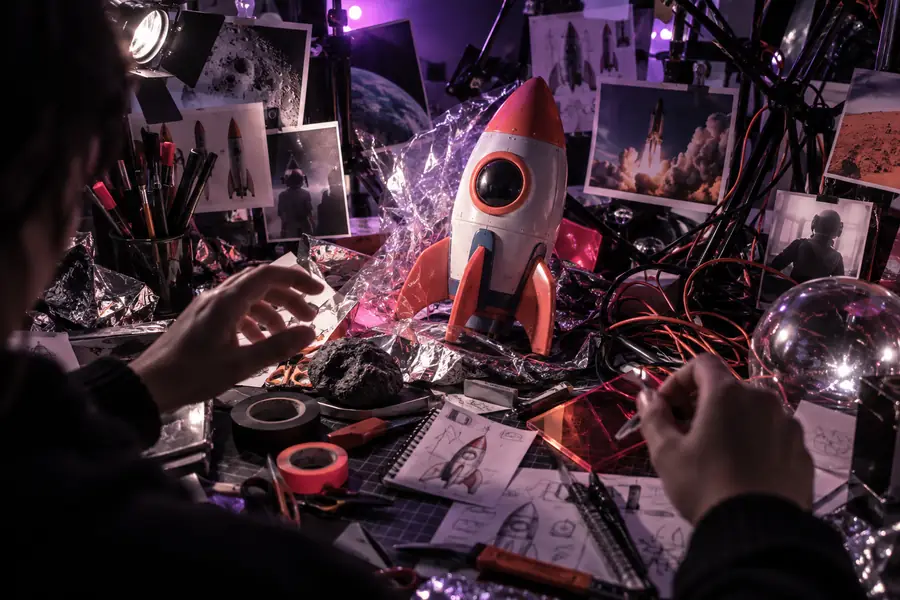
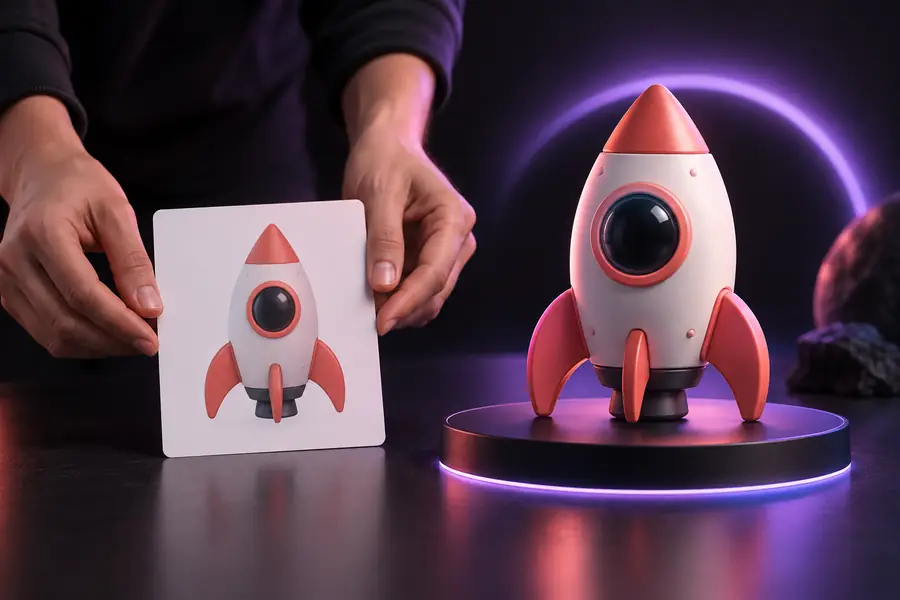
Cleaner inputs make shape boundaries easier to interpret. If an output looks distorted, improve the image before adding more words to the instruction.
Crowded referenceClear referenceThe access model is simple, but the output still deserves a careful review before you use it elsewhere.
Different users can start without account friction, then move to a more specialized workflow only if the first result needs it.
You need a rough object model while exploring a visual direction and do not want setup to interrupt the idea.
Start quickly, compare the generated shape with the reference, and keep only the useful direction.
You want to understand the image-to-model process before installing software or learning a large modeling interface.
Use a short web workflow to see how image cues become a 3D approximation.
You have a reference image and want to test an idea without committing to an account-based workspace.
Try the online route, inspect the result, and decide whether further modeling work is worthwhile.
Bring a clear reference and test the free web workflow first. You can evaluate the generated shape before deciding whether you need a longer, more controlled modeling process.
Yes. The linked free web tool is usable without an account, so you can begin from the browser workflow directly. You should still follow the current upload guidance before submitting an image.
Prepare one clear image with a distinct subject, useful lighting, and as little background clutter as possible. A short instruction describing the object and the result you want can also help guide the attempt.
Not automatically. A generated model may require checks for scale, missing surfaces, thin geometry, topology, and other production details before it is suitable for printing or downstream work.
A single view can hide depth, rear surfaces, and fine structure, so the system may need to infer details that are not visible. Try a better angle, stronger subject separation, or additional views when the workflow supports them.
Use caution with any online tool and avoid sensitive images unless you understand the current handling and retention guidance. For confidential work, consider a workflow with storage and processing controls that match your requirements.